
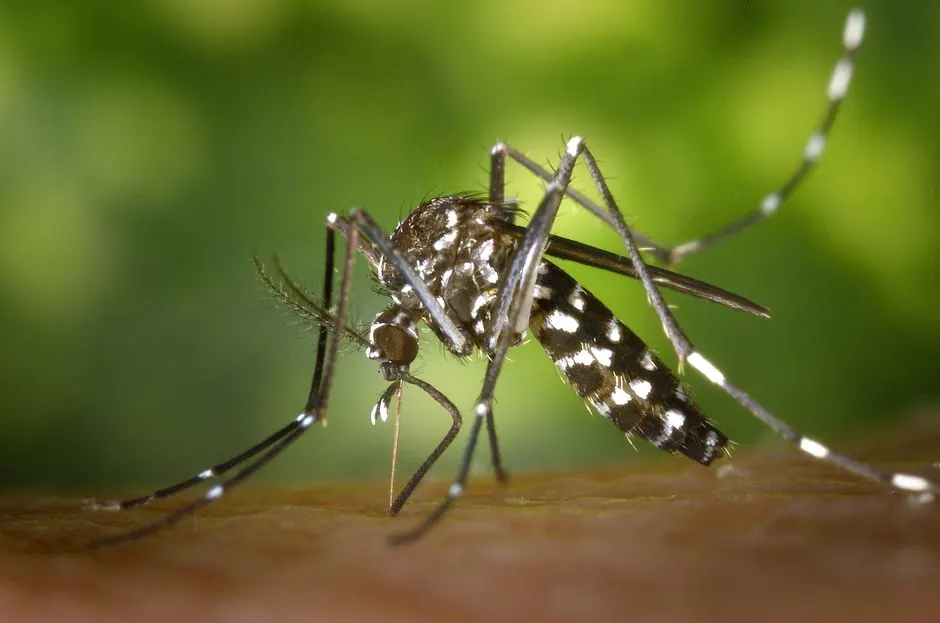
This summer, Fredericksburg residents are experiencing a notable increase in mosquito populations. Factors such as climate, breeding grounds, and human activities contribute to this issue. Understanding these elements can help you mitigate the problem effectively.
One major factor is the mosquito life cycle, which consists of four stages: egg, larva, pupa, and adult. Mosquitoes typically breed in stagnant water, where they lay their eggs. Understanding this cycle is crucial for effective control.
Understanding the Mosquito Life Cycle
The mosquito life cycle starts with the female laying eggs in or near water sources. These eggs hatch into larvae, which thrive in stagnant water. After a few days, they transition into pupae before maturing into adult mosquitoes. This entire cycle can take as little as a week, depending on environmental conditions.
Factors Contributing to Increased Mosquito Populations
Several factors can exacerbate mosquito problems in Fredericksburg during the summer:
- Standing Water: Any stagnant water can serve as a breeding ground.
- Humidity: High humidity levels create a conducive environment for mosquitoes.
- Temperature: Warmer temperatures accelerate their breeding cycle.
- Vegetation: Dense vegetation provides shelter and resting spots for adult mosquitoes.
Residents often overlook the impact of their surroundings. Neglected yards with standing water can significantly increase mosquito populations.
Impact of Weather Patterns
This summer, Fredericksburg has experienced unusual weather patterns, including heavier rainfall and warmer temperatures. These conditions create ideal breeding environments for mosquitoes. Rainfall can lead to increased standing water, while warmth speeds up their reproduction rate.
In addition, climate change is causing longer summers and milder winters, leading to prolonged mosquito activity. In Fredericksburg, this means that you may notice mosquitoes earlier in the season and for longer periods.
Common Breeding Grounds in Fredericksburg
In Fredericksburg, common mosquito breeding grounds include:
- Birdbaths
- Old tires
- Flower pots
- Clogged gutters
- Pools that are not properly maintained
Being proactive about eliminating these breeding sites can significantly reduce mosquito populations around your home. Regularly check your property for stagnant water and remove it to help control the mosquito population.
Preventive Measures You Can Take
There are several effective strategies you can implement to reduce mosquito populations in your yard:
- Eliminate Standing Water: Regularly check for and remove sources of stagnant water.
- Maintain Your Yard: Keep your lawn trimmed and remove debris that can hold water.
- Use Mosquito Repellents: Apply repellents on your skin and clothing when outdoors.
- Install Screens: Ensure windows and doors have screens to keep mosquitoes out.
For a more comprehensive approach, consider professional mosquito control in Virginia. These services can effectively reduce mosquito populations on your property.
When to Call a Professional
If you find that your mosquito problem persists despite your best efforts, it may be time to call in the experts. Professional pest control services can assess your property and implement effective solutions tailored to your specific needs. Virginia Pest Pros offers specialized services for managing mosquito populations in Fredericksburg.
Frequently Asked Questions
Why are mosquitoes more prevalent in the summer?
Summer provides ideal conditions for mosquito breeding, including warmth and humidity, which accelerate their life cycle.
How can I tell if I have a mosquito breeding site?
Look for standing water in containers, clogged gutters, or any damp areas that are not regularly disturbed.
What are the health risks associated with mosquitoes?
Mosquitoes can carry diseases such as West Nile virus and Zika virus, posing health risks to humans.
Can I prevent mosquito bites?
Using insect repellent, wearing protective clothing, and eliminating standing water can help prevent mosquito bites.
How often should I schedule mosquito control services?
For ongoing protection, consider scheduling mosquito control services every 4-6 weeks during peak mosquito season.