Fleas and ticks are more than just a nuisance; they can pose serious health risks to both humans and pets. Understanding how to control these pests effectively is crucial for any homeowner in Virginia. This guide provides practical tips for flea and tick control in your home, ensuring a safe environment for your family and pets.
Understanding Fleas and Ticks
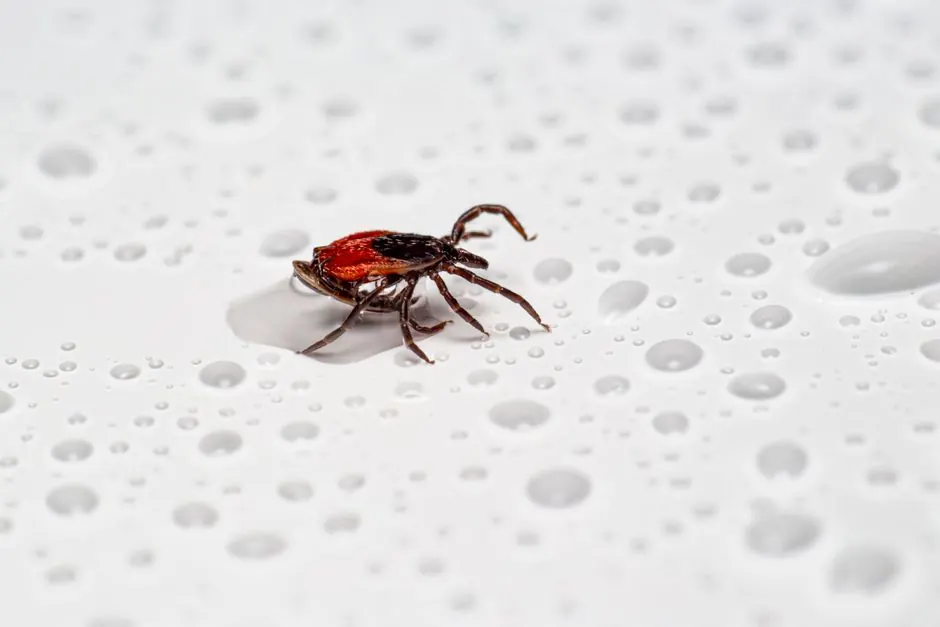
Fleas and ticks thrive in Virginia's warm, humid climate, making them a common problem for many households. Fleas are small, wingless insects that feed on the blood of mammals, while ticks are arachnids that latch onto hosts to consume blood. Both can transmit diseases, making control essential.
Signs of Infestation
Identifying a flea or tick infestation early can save you a lot of trouble. Look for the following signs:
- Fleas: Small black or brown insects jumping on pets or surfaces.
- Ticks: Small, dark spots on pets or in the yard, often found in warm areas like armpits or behind the ears.
- Scratching: Increased scratching or biting by pets, which can lead to skin infections.
- Flea dirt: Small black specks in pet fur or bedding, which is flea feces.
Preventive Measures
Preventing fleas and ticks is the best strategy. Here are some effective measures:
- Regular grooming: Bathe and groom your pets frequently to remove any fleas or ticks before they become a problem.
- Flea and tick treatments: Use veterinarian-recommended flea and tick prevention products on your pets.
- Yard maintenance: Keep your yard tidy by mowing the lawn regularly and removing debris where ticks can hide.
- Indoor cleanliness: Vacuum carpets and furniture regularly, and wash pet bedding in hot water.
Home Treatment Options
If you discover an infestation, immediate action is necessary. Here are some home treatment options:
For fleas, consider using a combination of flea sprays and foggers designed for indoor use. These products can help eliminate adult fleas and their eggs. It's important to follow the instructions carefully to ensure safety for your family and pets.
For ticks, treating your yard with appropriate pesticides can significantly reduce their population. Make sure to choose products labeled for tick control, and apply them according to local regulations.
Professional flea and tick control services can also provide thorough treatments that are often more effective than DIY methods.
Outdoor Control Strategies
Controlling fleas and ticks outdoors is just as important as managing them indoors. Here are some strategies:
- Clear brush and debris: Ticks thrive in tall grass and thick brush. Regularly clear these areas to reduce tick habitats.
- Use barriers: Create a barrier of wood chips or gravel between your lawn and wooded areas to minimize tick migration.
- Natural predators: Encourage birds and other animals that feed on ticks to inhabit your yard.
Common Mistakes to Avoid
When dealing with fleas and ticks, avoid these common mistakes:
- Neglecting yard maintenance, which can lead to increased tick populations.
- Using ineffective products or not following application instructions.
- Overlooking pets as a source of infestation.
- Failing to treat both the indoor and outdoor environments simultaneously.
When to Call a Professional
If your efforts to control fleas and ticks are not successful, it may be time to call in the experts. Professional pest control services can provide targeted treatments that are safe and effective. At Virginia Pest Pros, we specialize in flea and tick control in Virginia and can help you reclaim your home from these pests.
Frequently Asked Questions
How do I know if I have fleas or ticks in my home?
Look for signs such as increased scratching in pets, flea dirt, or ticks on your pets or in your yard.
What are the best flea and tick prevention methods?
Regular grooming, using veterinarian-recommended treatments, and maintaining a clean yard are effective prevention methods.
Can I treat my home for fleas and ticks myself?
Yes, there are many effective home treatment options available, but professional services can provide more thorough control.
How often should I treat my pets for fleas and ticks?
Follow your veterinarian's recommendations, but typically treatments are done monthly during peak seasons.
What should I do if I find a tick on my pet?
Remove the tick carefully with tweezers and consult your veterinarian for further advice.
Get help with Pest Control in Virginia
If you're struggling with fleas and ticks in your home, it's time to take action. Contact us at Virginia Pest Pros for expert assistance in managing these pests effectively. Call us today at (866) 605 4304.